
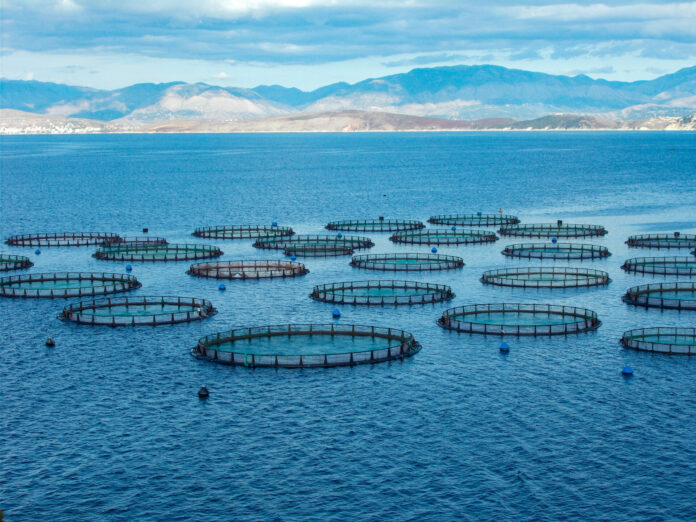
Minister for Infrastructure Chris Bishop says the Government’s Fast-track approval of the Hananui Aquaculture Project off Stewart Island will bring significant benefits to Southland and New Zealand’s economy.
Ngāi Tahu Seafood Resources Limited lodged its application in November last year, with approval taking around five months following the appointment of an independent expert panel.
“The Hananui project has taken around seven years to progress. Ngāi Tahu applied for consent under the RMA in 2019, which was later withdrawn. They then reapplied through the COVID-19 Fast-track process in 2020. Subsequently, in August 2023, the application was declined,” says Mr Bishop.
“Alongside this approval, our planning reforms will further support Māori commercial aquaculture, including by making it easier for iwi to unlock the potential of Aquaculture Settlement Areas provided for under the Māori Commercial Aquaculture Claims Settlement Act 2004, making the process easier, faster and more efficient.”
Minister for Oceans and Fisheries, Shane Jones said that once fully operational, Hananui is projected to produce 14,400 tonnes of salmon per year, generating more than $310 million in sales, and creating 415 to 480 jobs in the region.
“This is almost as much salmon as was produced by all of New Zealand’s salmon farms in 2025-2026,” Mr Jones says.
“The global appetite for our king salmon is extremely high, representing a massive opportunity for New Zealand. To take full advantage of it we need to increase supply to meet this demand, and the approval of Hananui is an incredibly positive step in this direction.
“This Government has made aquaculture growth a focus, setting a $3 billion annual revenue target for the sector by 2035. A key pillar to achieving this goal identified in our Aquaculture Development Plan is large-scale open-ocean farming such as Hananui.
“Fast-track approval means these projects can proceed sooner, supporting jobs, regional growth, and export earnings, as well as New Zealand’s position as a leader in sustainable seafood production.”
