

Conservation Minister, Tama Potaka, has announced two new International Visitor Levy (IVL) investments which will help to protect the Whangamarino wetland and further work to maximise breeding opportunities for the Māhoenui giant wētā at Otorohanga Kiwi House.
Mr Potaka said the Government was serious about protecting and restoring New Zealand’s taonga sites and taonga species now, and for future generations.
“This is why we are committing $2 million over two years to kickstart work on the Whangamarino Action Plan and help restore the habitat as a Wetland of International Importance (Ramsar Site),” said Mr Potaka.
Whangamarino (pictured) is an internationally significant Ramsar wetland in north Waikato. IVL investment will enable work at Whangamarino on ecological restoration through the development of critical infrastructure to improve the management of water levels, improve water quality, and reduce the presence of pest koi carp.
“Whangamarino is a under significant pressure due to a history of drainage and frequent flood events. Working with Iwi and stakeholders, the aim is to improve water level management for biodiversity conservation and improved water quality, and to recognising the role of the wetland in natural flood management,” the Minister said.
Additionally, the Government is granting the Māhoenui giant wētā captive breeding work at Otorohanga Kiwi House $75,000 from the IVL.
The programme, which is delivered in partnership with Te Whare o Mōkau ki Runga, has successfully bred over 300 Māhoenui giant wētā in captivity since 2021, helping secure the future of one of New Zealand’s most threatened invertebrate species.
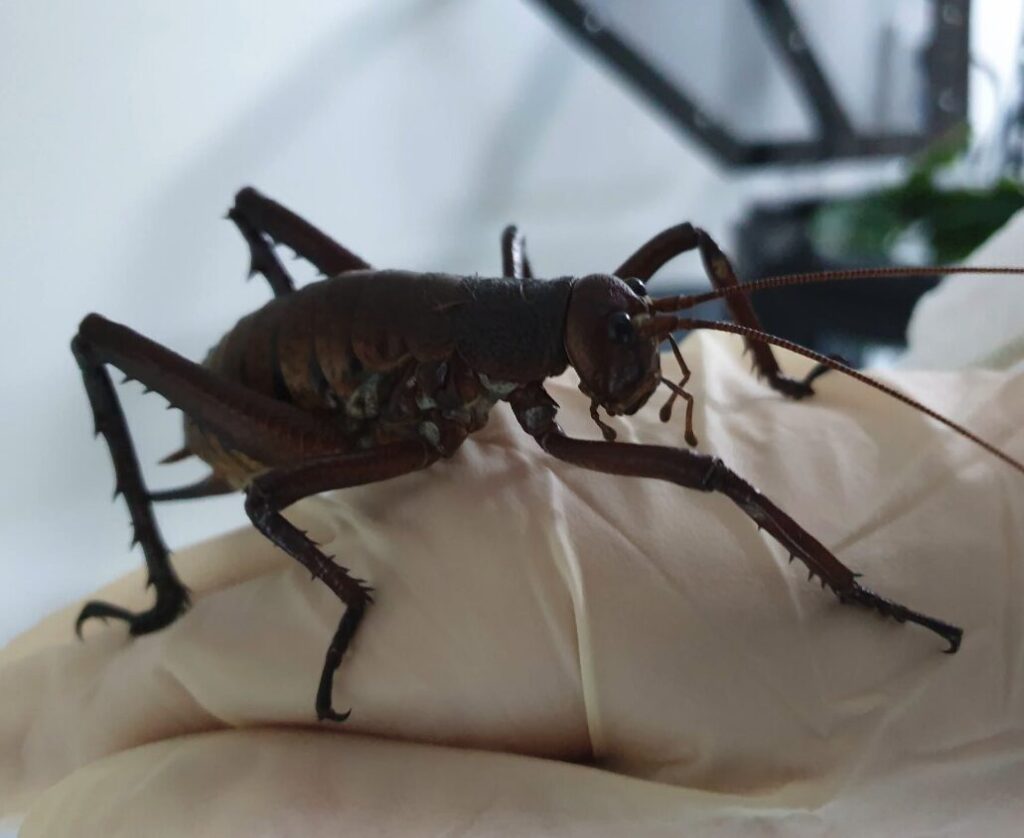
“Wētā are a unique breed of insect only found in New Zealand, and our giant wētā, particularly the Māhoenui variety, hold a very special place in the insect kingdom,” Mr Potaka said.
“They’re one of the heaviest and toughest insect species in the world, but also one of the most endangered.
“Otorohanga Kiwi House has been doing fantastic work to breed giant wētā for release. With this IVL support — and what will hopefully be a successful breeding season — we hope to see more wētā in the wild.”
