
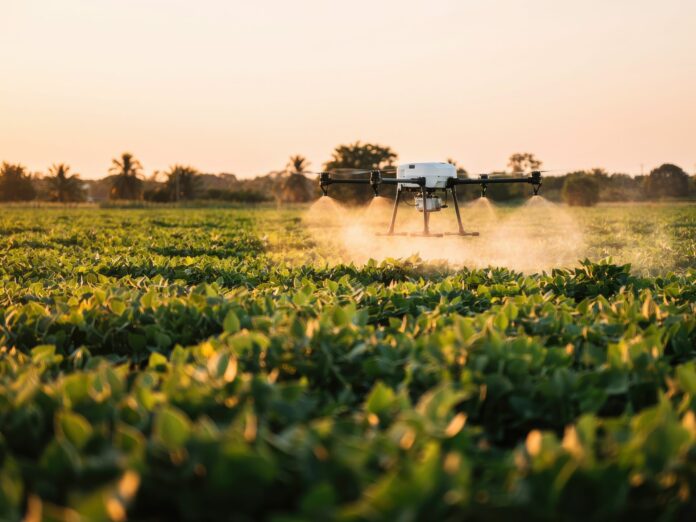
The Government says New Zealand’s agricultural sector productivity is set to soar as a result of “common sense” reforms to drone operation regulations.
Associate Transport Minister, James Meager says the changes will slash burdensome red tape and make agricultural drone use for spraying cheaper, faster, and more efficient.
“Drones have become an everyday tool in modern agricultural spraying, offering precise application of pesticides and fertiliser that helps minimise product wastage, while also reaching tricky terrain safely and efficiently,” Mr Meager says.
“However, farmers, growers and foresters have been clear that the current certification process is impractical and no longer fit-for-purpose. Existing rules have not kept pace with the evolving technological landscape.
“Farmers have told us about routine spraying operations being held up due to costly and complex regulatory roadblocks. This must change.
“We will scrap requirements for lower-risk routine drone operations to apply and wait for certification before starting work, which can take up to nine months and cost thousands of dollars. Only a notification to the Civil Aviation Authority ahead of time will be needed.
“This will cover routine activities such as spraying of pesticides and herbicides and the distribution of fertiliser, lime, seeds and manures across cropland, pasture, orchards, vineyards, market gardens and forests.”
Mr Meager has directed officials to overhaul the rules and create a simpler pathway, while maintaining critical public safety and environmental protections. This will come into effect mid-2027, following detailed design and engagement.
Regulation Minister, David Seymour said overseas farmers, who compete with New Zealand farmers, can spray crops with precise and targeted application of chemicals using drones, at a fraction of the cost compared to Kiwi farmers.
“In Australia, drones up to 150 kilograms operate on farmland under simple licensing. Today’s announcement will take Kiwi farmers closer to the frontier of innovation and make them more competitive of the global stage,” Mr Seymour says.
High-risk or complex drone operations, and spraying from planes and helicopters, will remain subject to existing requirements.
“I am confident this will strike the correct balance, so regulation is right-sized and proportionate to risk. Public consultation will also provide another layer of certainty,” Mr Meager says.
“This reform will reduce costs, improve efficiency and unlock regional growth. It is yet another common-sense change from the Government’s ambitious programme to fix the basics and modernise New Zealand’s civil aviation rules.”
