
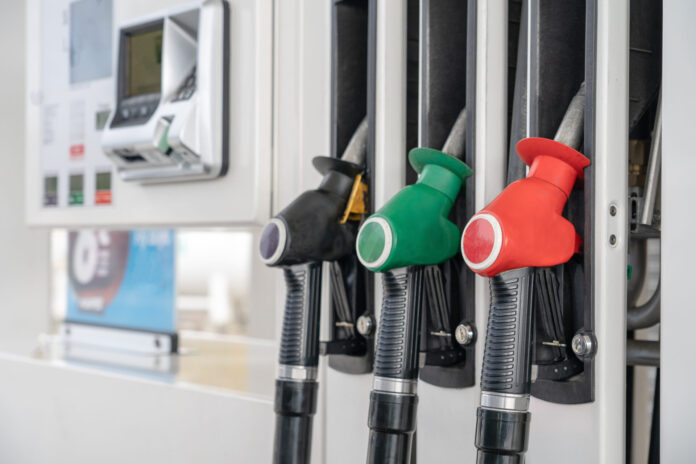
The Government has announced a fuel excise hike planned for next year has been scrapped in a bid to help Kiwis with cost-of-living pressures.
Finance Minister, Nicola Willis said cancelling the fuel excise increase and spreading the change over time from 2028 will give Kiwis more time to recover from the period of post-Covid economic pain and recent uncertainty in the Middle East.
“Fuel excise was scheduled to resume annual increases starting with a 12c per litre increase from 1 January 2027, with equivalent increases to road user charges. That has now been scrapped, with the next increase of 5c a litre now taking effect from 1 January 2028,” Ms Willis says.
“It follows our decision to cancel the last Government’s proposed fuel excise hikes, which were due to kick in this term, along with the Auckland Regional Fuel Tax.
“But times are still tough and there remains uncertainty in the Middle East. As we have demonstrated this year, we will keep a watchful eye on international events and ensure Kiwis are supported if the crisis leads to higher fuel prices in 2028.”
Transport Minister, Chris Bishop said the average cost of transport projects has increased by as much as 45% since 2020, while fuel excise has remained frozen – falling in real terms by around 20%.
“While pausing fuel excise increases was the right choice as New Zealanders weathered an economic storm, unless they begin again soon, the financial foundations of our land transport system will be undermined,” he said.
“For New Zealanders, that would mean roads littered with potholes, cancelled projects, and an inability to respond when communities are cut off following severe weather events.
“To prevent this, the Government has agreed on a new, more sustainable path for fuel tax increases. There will be no increase to fuel tax in 2027, with the next increase taking effect on 1 January 2028.
“Instead of a one-off 12-cent increase, we have spread these changes over time to make the transition fairer and more manageable for New Zealanders, as the economy continues to pick up and wages grow.”
Fuel tax will rise by 5 cents on 1 January 2028, followed by three further 5-cent increases at six-month intervals. Annual increases will then resume from 1 January 2030, of 5 cents per year. Road user charges will be subject to equivalent increases at the same intervals.
“It would be irresponsible to reduce funding for the land transport system to pay for this change. Doing so would require significant reductions in road maintenance, public transport services and infrastructure investment. Officials have advised that a reduction of this scale would not be credible without serious reductions in funded services,” said Mr Bishop.
“On that basis, Ministers have agreed to top up the National Land Transport Fund to account for the reduction in fuel excise revenue. This is expected to cost $1.476 billion over the forecast period.”
Minister Willis says the cost will be partly offset by the $450 million fuel response contingency established through Budget 2026. The remaining cost will be managed through and reflected in the PREFU.
“Cancelling next year’s planned fuel tax increases is the responsible choice. New Zealand can only afford to do this because of our Government’s careful management of the finances, which has ensured the country is on track to return to surplus in 2028/29, earlier than forecast last year,” she said.
“We are getting on with the job of fixing the basics and building the future.”
