
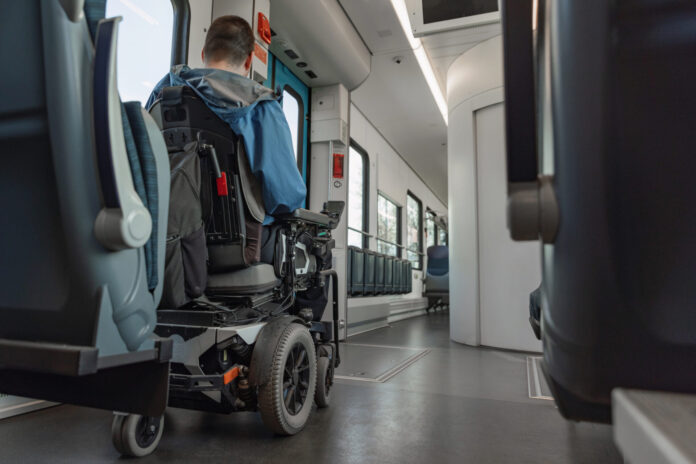
The Government has announces changes aimed at strengthening the Total Mobility scheme and giving disabled people greater transport choice.
Total Mobility provides subsidised transport through approved providers for disabled people and older New Zealanders with age-related impairments when regular public transport is not an accessible option.
Funding changes announced by the Government in December last year reduced the scheme’s fare subsidy from 75 to 65% and reduced regional fare caps by an average of 10% across the country. These changes took effect on 1 July 2026. It also launched public consultation on options to strengthen the scheme and improve how it operates into the future.
The Government has now made decisions on the six proposals put forward, and has agreed to:
- adopt a national purpose statement for Total Mobility to provide clearer, more consistent direction for how the scheme operates across New Zealand;
- ask the NZ Transport Agency (NZTA) to review funding settings for wheelchair accessible vehicles, including the per-trip payment to drivers, which has remained unchanged since 2005;
- ask NZTA to review provider standards and safeguards to ensure they remain fit for purpose as the transport market evolves, including considering a wider range of providers such as ride-hail services;
- ask officials to develop a proposal for a national public transport concession for Total Mobility users, including a free companion fare, for future Cabinet consideration.
Disability Issues Minister, Louise Upston said the Government carefully considered the feedback received from disabled people, advocacy organisations, transport providers, and regional councils.
“We also heard clear concerns about some of the proposals we consulted on. After considering the feedback, the Government has decided not to proceed with mandatory documentary evidence requirements, mandatory periodic reassessments, or nationally mandated trip caps. On balance, we do not believe the additional burden these changes would place on disabled people is justified,” she said.
“These decisions reflect what we heard through consultation and strike the right balance between ensuring the scheme remains sustainable while continuing to support the independence and mobility of those who rely on it.
“I want to sincerely thank the more than 500 people who made written submissions, and the around 200 people who attended meetings during the consultation process.
“Your experiences, perspectives and ideas have directly informed the Government’s decisions, and we are grateful for the time and care you took to help shape the future of the Total Mobility scheme.”
Further information on the review is available on MCERT’s Total Mobility Review webpage.
