

Auckland Council says its innovative ‘living seawalls’ trial at Westhaven Marina is showing promising results, with specially designed 3D-printed marine habitats attracting abundant sea life just 12 months after installation.
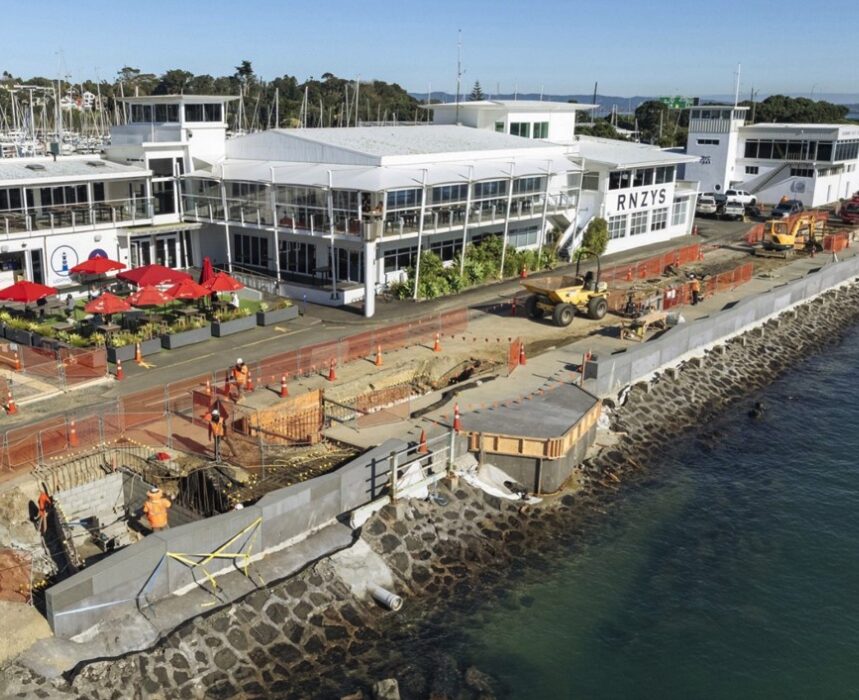
The Westhaven Seawall project was required to protect the council’s assets from inundation. The area was experiencing frequent flooding particularly during king tides and major storm events.
As part of the capital works project and resource consent requirements, the team recognised an opportunity to trial a new way to restore marine biodiversity in this valued part of the Waitematā Harbour.
Underwater surveys of the existing seawall built in the 1930s, found that tidal action, pollution and the smooth concrete surface provided limited habitat for marine species. The trial set out to remedy this.
Working with mana whenua, and specialist technical advisors, the council’s Auckland Urban Development Office and the Westhaven Marina team, a marine trial was instigated using an innovative technology and local knowledge.
The project team, including marine ecologist Dr Jarrod Walker (Tātaki Ltd), landscape architects Landlab, engineers Beca and 3D-printing company Qorox, designed a series of concrete modules inspired by species commonly found on the rocky shores of Te Waitematā, including ngākihi (limpets) and werewere (barnacles).
Unlike traditional marine infrastructure, the rough-textured modules include crevices, and swim-through spaces that provide food, shelter and surfaces for marine organisms to colonise.
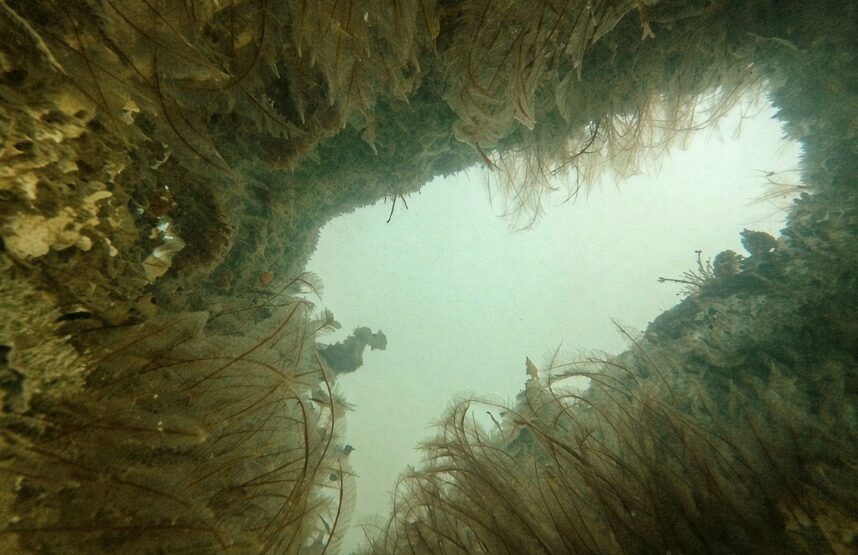
A survey undertaken in August by the project team, a year after installation, found all 12 modules remained structurally intact despite severe weather events and heavy wave action.
The units were found to be heavily colonised by seaweeds, oysters, barnacles, sponges, crabs and cushion stars, with marine growth establishing far more quickly than is typically seen on a conventional seawall.
“The intention was to create better habitats for sea life compared with those found on standard seawalls,” says Dr Walker.
“Seawalls do not make the best habitat for marine species because they are hard and smooth and only a limited number of species are able to grow on them. This trial shows how infrastructure can be designed to enhance marine habitats rather than simply replace them.”
The modules form part of a wider ecological restoration approach at Westhaven. The upgrade has also included extensive planting, reuse of material from the original seawall, and the installation of large rock revetments to help protect the marina from rising sea levels and severe storms.
Councillor Richard Hills says that this is another fantastic example of council and mana whenua working together to help enhance the mauri of Te Waitematā while protecting the waterfront from future impacts.
“Our harbours are central to Auckland’s identity, and projects like this show what’s possible when we put nature at the heart of our infrastructure.
“It’s incredibly encouraging to see marine life return so quickly, demonstrating how innovative solutions like living seawalls can create new habitats, support biodiversity, and help restore and protect the health of Te Waitematā for current and future generations.”
Council says the positive results of this trial will help inform biodiversity enhancements on future waterfront projects, including the regeneration of Wynyard Point through Te Ara Tukutuku. These include Auckland’s first in-harbour kelp restoration trials, designed to rebuild underwater habitats and improve water quality.
For the Auckland Urban Development Office (AUDO), the project demonstrates how design, can work with nature rather than against it.
Fiona Knox, Priority Location Director for the Auckland Urban Development Office says the living seawall approach shows how even highly engineered environments can support biodiversity, creating spaces where marine life and people can thrive together.
“It’s been great to see an innovative idea come to life and to watch the collaborative process in action,” she said.
