
A Northland Regional Council project to relocate the heart of flood-prone Whirinaki and a Council manager acknowledged for outstanding leadership and commitment to strengthening iwi and hapū partnerships have been recognised at the Taituarā Local Government Excellence Awards
Council and Te Hikutū hapū won the Eagle Technology Award for Excellence in Community Engagement for their Whirinaki Managed Retreat project.
Using mātauranga Māori and the PARA (prevent, avoid, retreat, accommodate) framework, the Whirinaki community determined relocation was the safest long-term option for around 80 homes in the flood-prone South Hokianga valley.
The multimillion-dollar Whirinaki masterplan would enable whānau to move to elevated papakāinga, restoring the floodplain and creating new opportunities, while demonstrating shared leadership and Te Tiriti partnership.
Judges said the powerful partnership put community leadership at the heart of climate adaptation planning, creating a model that empowers people to shape decisions about their future while strengthening connections to whenua and culture.
They described the project as one of the exemplars from this year’s field of entries, recognising its community-led approach and strong partnership model.
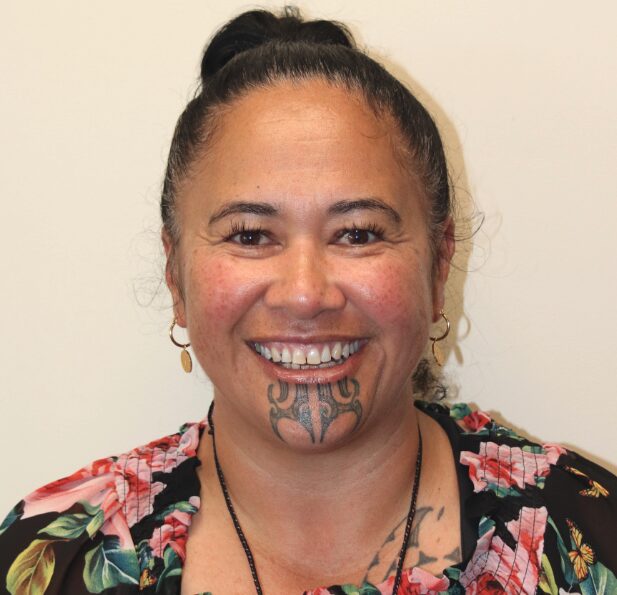
Meanwhile, Council’s Pou Manawhakahaere – Group Manager, Strategic Partnerships and Engagement, Auriole Ruka (pictured), was also recognised at the awards, receiving the inaugural Hononga Indigenous Overseas Manager Exchange to Victoria, Australia.
Offered for the first time this year with support from Hononga Consulting, this new exchange has been created to support and celebrate tangata whenua Māori working in local government.
It provides a unique opportunity for Indigenous local government leaders to connect, learn and share experiences with First Nations local government leaders in Victoria, Australia.
Ms Ruka was recognised for her outstanding leadership and commitment to strengthening iwi and hapū partnerships in local government, as well as her wider contributions to her community and the sector.
The judges were particularly impressed by Auriole’s vision for the exchange, noting her focus on building enduring relationships between Māori and Indigenous Australian leaders while strengthening collective responsibility for change and Indigenous leadership.
Northland Regional Council Chair, Pita Tipene, acknowledged both the Whirinaki project and Auriole Ruka for their respective wins.
“These recognitions reflect the strength of the relationships behind the mahi,” said Chair Tipene.
“The Whirinaki project shows what can be achieved when communities, hapū and local government work together with a shared commitment to future generations.
“Auriole’s award acknowledges her dedication to strengthening partnerships with iwi and hapū and helping create genuine opportunities for Māori participation and leadership.”
