
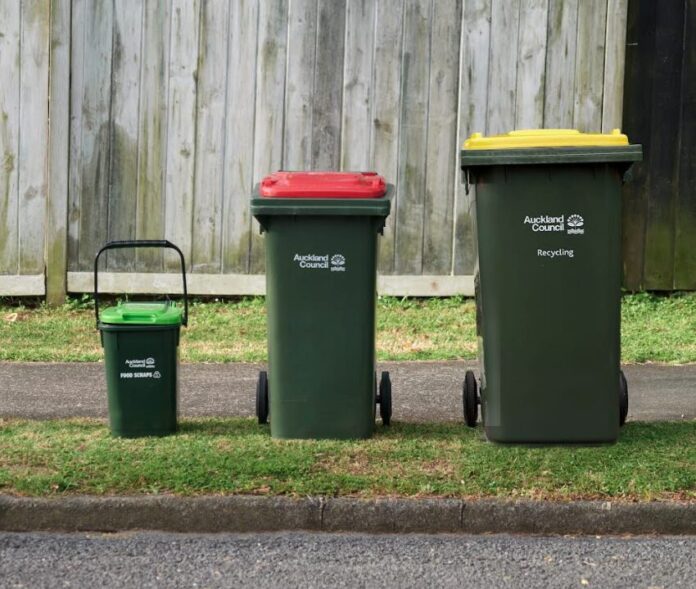
Aucklanders are being reminded that putting the wrong item in their recycling bin – even an unwashed milk container – can have consequences far beyond a single household, contaminating recyclable materials and reducing what can be successfully recovered and recycled.
Recycling contamination costs ratepayers $3.5 million a year and results in around 37,000 tonnes of waste being sent to landfill from the recycling facility. To help curb this issue, Auckland Council has launched a Let’s sort it out recycling campaign, encouraging Aucklanders to put the right items in the right bin and avoid contamination that can affect an entire recycling load.
Policy, Planning and Development Committee Chair, Councillor Richard Hills says Aucklanders can make a big difference by making sure the right items go into the right bin.
“More than 30% of the material going into Auckland’s recycling bins is now ending up in landfill due to it being contaminated or unrecyclable in the first place. That’s a missed opportunity for our environment and our Zero Waste vision for Tāmaki Makaurau and also adds significant cost to all residents,” said Cr Hills.
“Small changes make a big difference, it is up to all of us to think about what we’re putting in our recycling. We owe it to the environment and the next generation to continue to do better.”
Auckland Council General Manager Waste Solutions, Justine Haves says some of the biggest challenges for recycling come from items that should never have been placed in the bin in the first place.
“Food contamination can quickly spread through a recycling load, contaminating paper, cardboard and containers that might otherwise have been recycled. Something as seemingly simple as leftover food can affect much more than a single item,” she said.
“The message behind our campaign is that one wrong thing can mess it all up. By putting the right items in the right bin, Aucklanders can help protect the quality of recycling and ensure more materials are turned into new products. Simply put, let’s sort it out.”
Among the most common contaminants found in Auckland’s recycling stream are rotten food, nappies, unwashed milk bottles, garden waste and textiles.
Food waste is particularly problematic because it can leak or spread across other materials during collection and sorting. Rotten fruit and vegetables, food scraps and leftover liquids can contaminate otherwise recyclable paper, cardboard and containers.
“Food scraps should stay out of recycling bins. Instead, Aucklanders can use their food scraps bin or compost suitable scraps at home. Households that need more room for food scraps can request a second food scraps bin free of charge,” Council said in online advice.
“Nappies and unwashed milk bottles are also common contaminants. While nappies present obvious hygiene concerns, spoiled milk left in containers can leak onto paper, cardboard and other recyclables, turning what should have been good recycling into waste.
“Garden waste and textiles are another common source of contamination. Although many people assume these items are harmless, they cannot be processed through the kerbside recycling system and can interfere with sorting operations.”
Occasionally, recycling loads contain even more unusual items, including livestock remains, highlighting the importance of using recycling bins only for accepted materials, the Council stated.
To help keep recycling clean and effective, Aucklanders are encouraged to:
- Empty and rinse containers before recycling
- Put food scraps in their food scraps bin
- Place recycling loose in the bin, not in bags
- Keep nappies, textiles, garden waste and rubbish out of recycling bins
- Check recycling guidelines if unsure about an item
For more information on what can and cannot be recycled: aucklandcouncil.govt.nz/recycling.
