
The Department of Conservation (DOC) the recovery of the Tongariro National Park is progressing well, with hundreds of hectares of weed and deer control conducted since last year’s fires.
Extensive fires in late 2025 destroyed more than 3,000 hectares of slow-growing alpine ecosystems in a blow to the dual World Heritage-listed park.
Since then, the Department and others have been working to protect the recovering landscape from introduced weeds and browsers such as deer and hares.
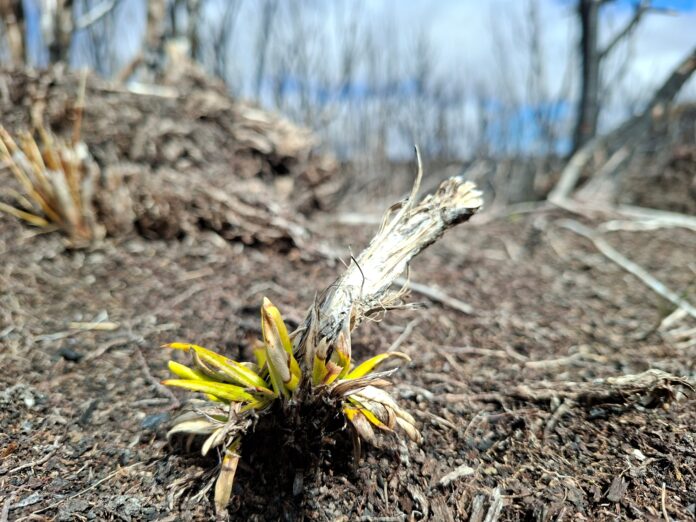
DOC Operations Manager, Libby O’Brien says the native plants of Tongariro are resilient and are recovering well.
“We’re seeing things like flax recovering quickly, but the plants here are still really vulnerable to being overgrown by weeds,” said Ms O’Brien.
“We’re working with iwi, weed and deer control contractors, NZ Transport Agency Waka Kotahi, and adjacent landowners to ensure Tongariro has its best shot at natural recovery.
“There’s been aerial and ground-based weed control and deer control, and we’re using drones to detect pests and monitor landscape change over time. We’re pulling out all the tools to get the work done.”
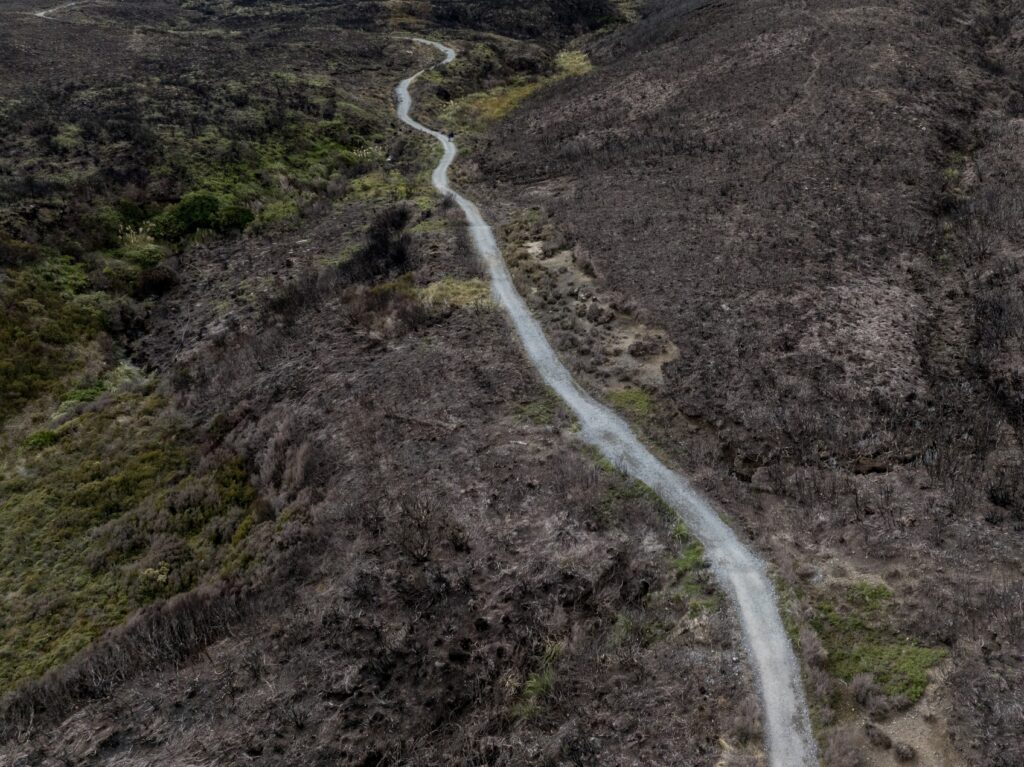
More than 250 hectares of weed control have been conducted, and 91 deer have been removed from the area, with 25 delivered to a local marae for kai.
In February, $3.5 million in International Visitor Levy (IVL) funding was allocated, over five years, to the recovery of the Tongariro landscape, which includes the world-renowned Tongariro Alpine Crossing.
Ms O’Brien says Tongariro and its recovery are culturally, economically, and socially important to the community.
“We want everyone on board, so we’re inviting our communities to an open day. All are welcome to join us on 16 October 2026 at 10am at the Blue Mountain Adventure Centre in Raurimu, to connect, learn, and hear more about the recovery work being done,” she said.
Further community open day details and RSVP can be found on the DOC Tongariro Facebook page.
Visitors to Tongariro can help by respecting the 10-year restorative rāhui placed over the fire-affected area by Ngāti Hikairo ki Tongariro. This includes staying on (open) tracks when out naturing, keeping shoes and gear clean to prevent weed spread, not entering fire-affected areas off-track, and taking all rubbish with you.
