
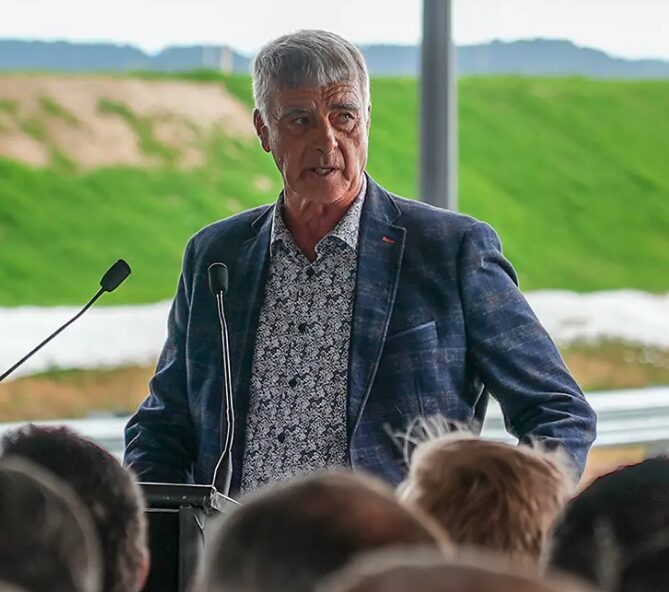
Forestry Minister, Todd McClay, has announced the appointment of a Facilitator to advise the Government on what further support or intervention may be needed around the forestry sector in Tairāwhiti.
The Minister confirmed he has written to Gisborne District Council to inform them of the appointment of former Chair of Bay of Plenty Regional Council and former Chair of Local Government New Zealand’s Regional Sector Group, Doug Leeder.
Mr Leeder has significant governance experience in regional government and business.
“Once appointed, Mr Leeder will work with Council leadership, members of the Council’s Assurance Review panel and other stakeholders, on the complexity of consenting and land use change. He will provide advice directly to me as Minister of Forestry, and to other Ministers as required,” said Mr McClay.
Minister McClay says the Government is aware of growing sector-wide concern about the approach the Gisborne District Council is taking to land use change, including its use of draft enforcement orders on woody debris and sediment management.
Stronger compliance measures may well be necessary however, they must be workable and proportionate, and they must not undermine progress towards land transition, he said.
“Forestry and wood processing matter enormously to Tairāwhiti and to the people employed in them. Industry is telling me it faces decisions it considers unworkable and costly, and growing uncertainty about the future of the sector in the region,” Mr McClay says.
“I am advised this is affecting the willingness of investors to pursue processing ventures, both in Tairāwhiti and elsewhere in the country.
“I want the relationship between the Council and stakeholders reset, with all parties working together in a constructive and structured way. That means supporting effective long-term forestry management, the environment, jobs and local businesses.”
In 2024, Mr McClay established the Tairāwhiti Forestry Action Group (TFAG) to help build confidence between all parties, and to allow the Government and Council to work closely with the sector to remove woody biomass from the district. The group has reduced risk across 173 kilometres of river network and removed almost 40,000 cubic metres of woody debris from high-risk locations.
TFAG will now move to the next stage of the clean-up, which includes supporting landowners and operators to accelerate consenting on legacy biomass through pilot projects, monitoring progress, maintaining engagement with the community, and helping inform decisions about land use change.
“TFAG has worked because central government, the Council and the sector all came together. I have invited the Council’s continued support and participation,” Mr McClay says.
“I want to recognise the significant efforts of the Council, the forestry sector and the community in dealing with the compounding effects of weather events. The appointment of a Facilitator will help drive better outcomes for forestry, the environment and the wider community.”
