
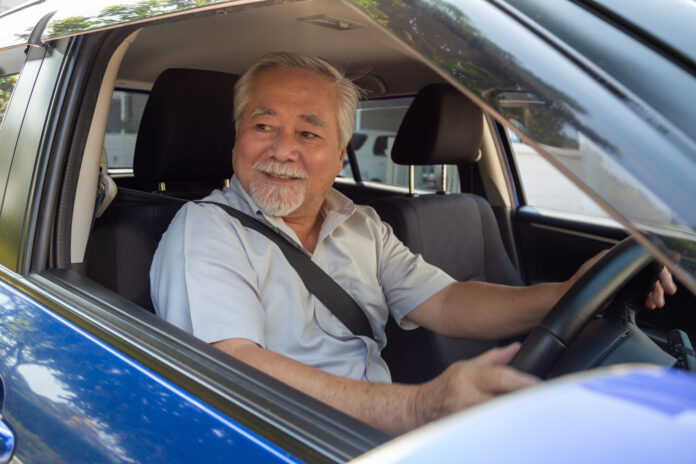
Seniors Minister, Casey Costello, has welcomed the announcement of new clinical guidance to support assessments of older drivers’ fitness to drive.
The Minister said the updated guidance confirms that older drivers should not undergo routine cognitive screening based on age alone. Health practitioners should assess each person individually and use cognitive screening where there is a clinical reason.
“The change responds to an issue raised by seniors across the country and is a key delivery under the Better Later Life Action Plan, supporting older New Zealanders to stay independent, connected and active for longer,” Ms Costello says.
“People should be assessed as individuals. A single screening test cannot determine whether someone is safe on our roads.”
The guidance distinguishes between screening for possible cognitive impairment and assessing whether a person can drive safely. Screening tools can help identify signs of cognitive impairment, but do not on their own reliably predict driving ability.
“Assessments should consider the person’s overall health, physical and cognitive function, medical and driving history, and any safety concerns. They should also draw on the health practitioner’s clinical judgement,” Ms Costello says.
Ministry of Health advice for clinicians through HealthPathways was updated in July, and today the Royal New Zealand College of General Practitioners has published expanded guidance for GPs, developed with the Ministry of Health, to support implementation of these changes.
The changes follow an independent University of Auckland review of cognitive testing and driving safety. The review found that available evidence did not support routinely screening otherwise healthy older adults as part of fitness-to-drive assessments. It found that commonly used cognitive screening tools are not reliable predictors of driving ability.
“This is a sensible change that reflects the latest evidence.”
“We know that being able to drive is vital for many older people wanting to stay connected and active in their community, particularly in rural areas. The updated guidance strikes the right balance, supporting people’s independence with the need to keep everyone on our roads safe.”
“These can be difficult decisions for health practitioners. Clearer guidance will help them make those decisions consistently and with confidence,” Ms Costello said.
