
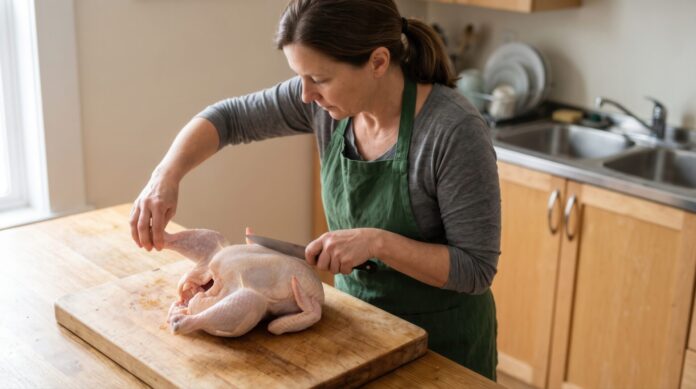
New Zealand Food Safety is seeking to dispel a common myth around the handling of raw chicken.
The regulator is encouraging people to avoid washing raw chicken to keep their friends and whānau safe from foodborne illnesses.
“Our research shows many people incorrectly think washing raw chicken makes it safer to eat, but that’s a myth,” says New Zealand Food Safety Deputy Director-General, Vincent Arbuckle.
“In fact, washing chicken increases the risk of getting sick. That’s because, when you rinse raw chicken under the tap, bacteria such as Campylobacter can be spread in water droplets onto sinks, benches, utensils and other foods around the kitchen.”
New Zealand Food Safety’s most recent Consumer Food Safety Insights Survey found that 67% of consumers who prepare chicken say they wash their raw chicken either sometimes or always – and only 21% of people fully agree that they shouldn’t wash their chicken.
Campylobacter causes campylobacteriosis, which is one of the most reported foodborne illnesses in New Zealand, with 3,750 domestically acquired cases reported in 2024. The most common food source of campylobacteriosis is raw or undercooked chicken.
Campylobacter infection: symptoms and advice
Symptoms, which can last up to two weeks in serious cases, include diarrhoea, fever, headache, muscle aches, abdominal pain, and vomiting. The young, elderly, pregnant, or immunocompromised are at higher risk of being hospitalised with campylobacteriosis.
“New Zealand Food Safety has worked to help reduce the incidence of foodborne campylobacteriosis by more than 70% between 2006 and 2024,” says Mr Arbuckle.
“Our new goal is to drop this by another 15% by 2030, lowering the rate from 76 to 65 cases per 100,000 people.
“As we start to barbecue and gather together more to share food, you can do your bit to reach this target by following the simple tips below – and skipping the wash.”
Tips for handling chicken meat safely
- Wash your hands with clean soapy water for at least 20 seconds after handling raw chicken – and dry them on a clean towel. This is so any bacteria from the chicken won’t spread from your hands to other food.
- Keep your raw chicken separate from ready-to-eat and fresh foods, using separate chopping boards, plates, and utensils. Alternatively, wash them properly with hot soapy water before using them for other foods.
- Also use a different plate, chopping board, and utensils for raw and cooked chicken.
- Make sure the chicken is fully cooked before serving – the juices should run clear. If you have one, use a meat thermometer to ensure the chicken is piping hot (more than 75°C) all the way through.
- If you’re cooking chicken on a barbecue, turn the chicken often so it cooks evenly. Heat any leftover marinade to boiling before pouring it over cooked foods.
- As with all food, don’t leave chicken out in the heat of the day – neither before cooking nor after you’ve finished eating.
Download a copy of our Food Safety in the Home booklet: Food Safety in the Home booklet.
View the Consumer Food Safety Insights Survey.
