
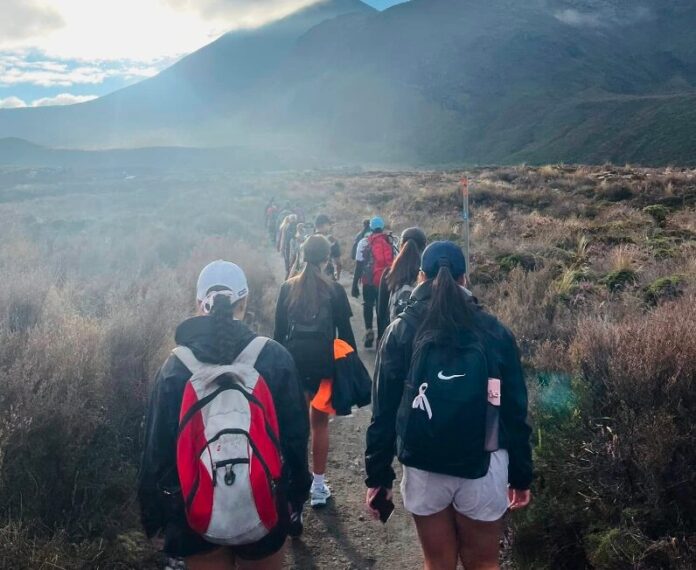
The Government has announced it will invest $2.4 million across six community programmes which use sport and physical activity to support children and young people who may be at risk of offending or reoffending.
The Reducing Child and Youth Offending project is a Sport NZ-led initiative focused on understanding and advocating the value of physical activity and sport to support children and young people who experience higher risk factors relating to offending or reoffending.
Minister for Sport and Recreation, Mark Mitchell said the initiative improves outcomes for children and young people and contributes to the Government’s target of reducing youth offending by 2030.
“It is about backing community led solutions and giving young people positive pathways which help prevent them from entering or re-entering the youth justice system,” Mr Mitchell says.
The project is part of a wider, joined up approach working alongside whānau, communities and government partners (NZ Police, Department of Corrections, Oranga Tamariki) to strengthen positive opportunities and reduce harm over time.
“We are investing in trusted community organisations with proven capability and strong local connections to support children and young people through the positive vehicle of physical activity and sport,” Mr Mitchell says.
Total funding of $8 million will be delivered across four waves through Community Impact Investment, as part of the Sport New Zealand led Reducing Child and Youth Offending Project.
Six organisations have been approved for Wave Two of the Community Impact investment:
Bay of Plenty Youth Development Trust will deliver Te Aranui Rangatahi Pathways, a combination of programmes for children and young people focused on relationship-based youth development, cultural connection, education re-engagement and a variety of physical activities, including Ki o Rahi, mau rākau, boxing, exercise/fitness, tramping, kayaking, abseiling, bushcraft and marine-based activities.
Youth Encounter, Bay of Plenty will support children and young people aged 10–18 through their Live Life Wide Open activity-based pathway including, dirt biking, surfing and other outdoor activities alongside mentoring, therapy and leadership development.
Ignite Sport, Wellington will work with small groups of rangatahi across the Hutt Valley as part of Oho Ake, a multi-year programme using sport, recreation, mentoring, and meaningful relationships to empower rangatahi to build confidence, strengthen connections, develop life skills, and realise their potential.
Whenua Iti Outdoors, Tasman/West Coast will establish the Kawatiri Active Futures programme, a two-year initiative aimed at supporting tamariki aged 10–12 in the Kawatiri/Buller region through active recreation, mentoring, and whānau engagement. The programme focuses on deep, sustained engagement to foster wellbeing through experiential outdoor learning and experiences.
Ngāpuhi Iwi Social Services, Te Tai Tokerau will establish Ngā Pūmanawa o Tū aimed at supporting taitamariki aged 10–18 years in Te Tai Tokerau by facilitating their engagement in sport, recreation, and community activities through culturally grounded, personalised pathways.
ke’s Bay will support rangatahi 12 -18 within The Meke Academy, a kaupapa Māori, sport-first education programme. They use daily physical activity, mentoring, cultural identity development and Te Kura learning to create positive life outcomes for vulnerable rangatahi in Hawke’s Bay.
